

A Knitter in Japan
Notes From a Country That Celebrates Craft

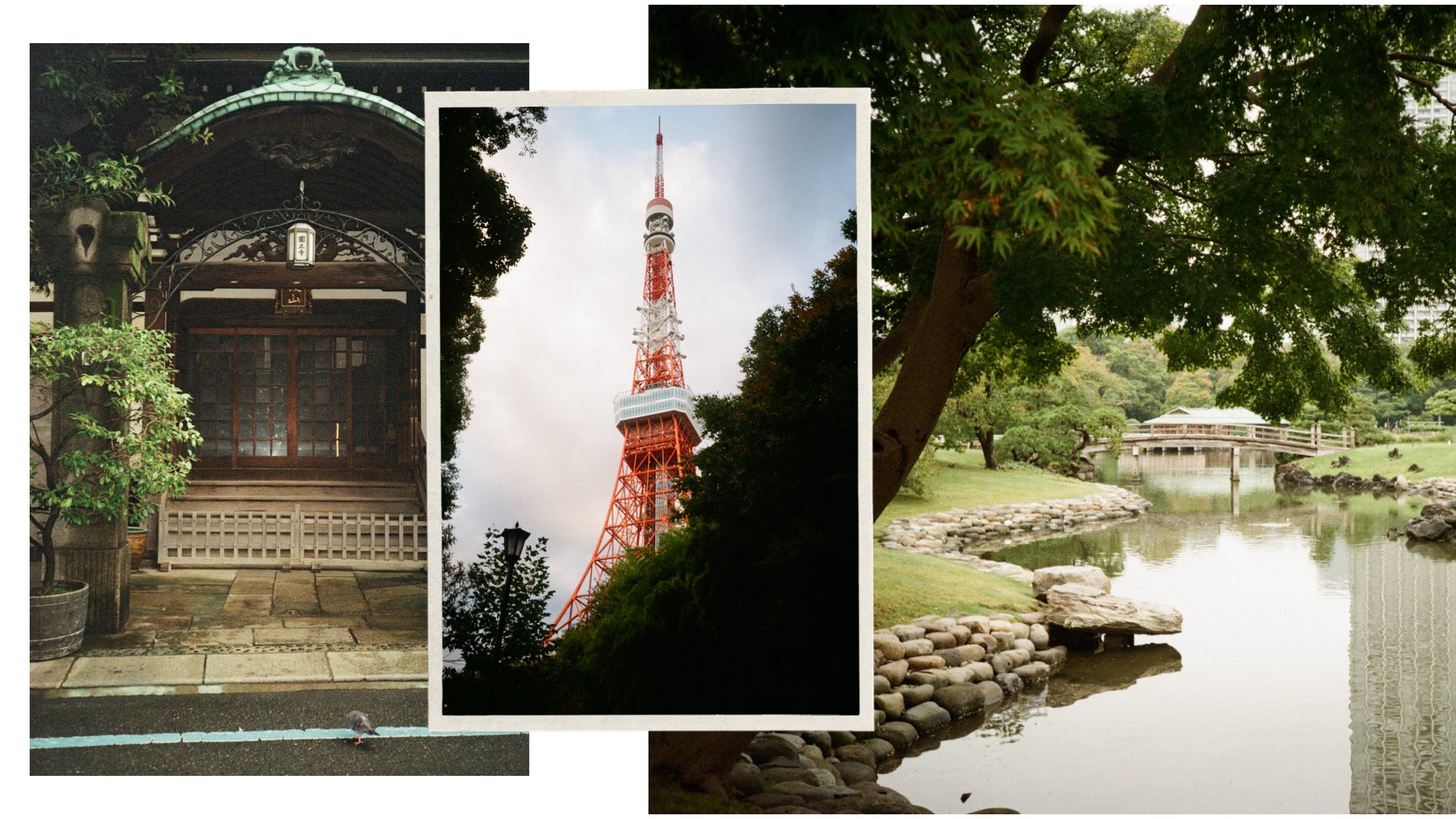
In January I decided that I wanted to visit Japan this year. The trip itself was not knitting related, but I did a lot of research trying to find yarns stores in Tokyo and Kyoto. I imagined myself sitting in small cafés drinking tea, on the Shinkansen, or at night in my hostel room, working away on my knitting project.
I had planned to keep a knitting diary whilst I was there but, as so often a plan looks quite different in reality. For one thing I had not accounted for the jetlag going west to east, getting travel sick on the plane, and the shock of arriving alone in a country I had never been to.
Once the initial shock wore off and I got some decent sleep I found myself in a country that values intentionality, mindfulness and craftsmanship.
Choosing projects for the trip
Before I left, I spent a lot of time deciding, which projects to bring. The yarn I had at home was either to bulky or I did not have a project for, so I hoped to buy Japanese yarn for the Beanie No. 3 by My Favourite Things Knitwear and the Basic Socks by Paula Strickt. I wanted something small and familiar, so a pattern that I had knitted before, or one that would not take up a lot of space in my suitcase.
Tokyo & Kyoto: Yarn, crafts and other impressions
Yarn Stores
Whilst I was in Tokyo, I visited three yarn stores: Puppy Yarn, WALNUT and Knittingbird, each of them unique in their own way:
Puppy Yarn is store in Shimokitazawa, a neighbourhood, which is known for its many vintage shops. The store stocks a lot of European brands, such as Katia and Lana Grossa, but it also has its own line of yarns. Many of their yarns are very colourful, and have unique fibre textures and colour changes. It surprised me to see this really colourful and playful yarn, in a country where the dress code revolves more around muted tones and clean silhouettes.
WALNUT is in Ometesando, a similar neighbourhood full of international and local boutiques. It also carries a lot of western brands, for example, Isager and De Rerum Natura and they have a range of beautifully hand-dyed yarns. The collection ranges from lace and fingering weights to DK and sports weight, with many different fiber compositions.
Knittingbird is close by in Aoyama and also carries a lot of unique fibers and yarns. The concept is similar to the Wollfabriek where yarns are stored on big cones and spun up as required. But if that is too much choice, they also have ready made cones coming in yarn kits from which different projects, for example socks, cardigans or bags can be knitted.
Traditional Crafts Week
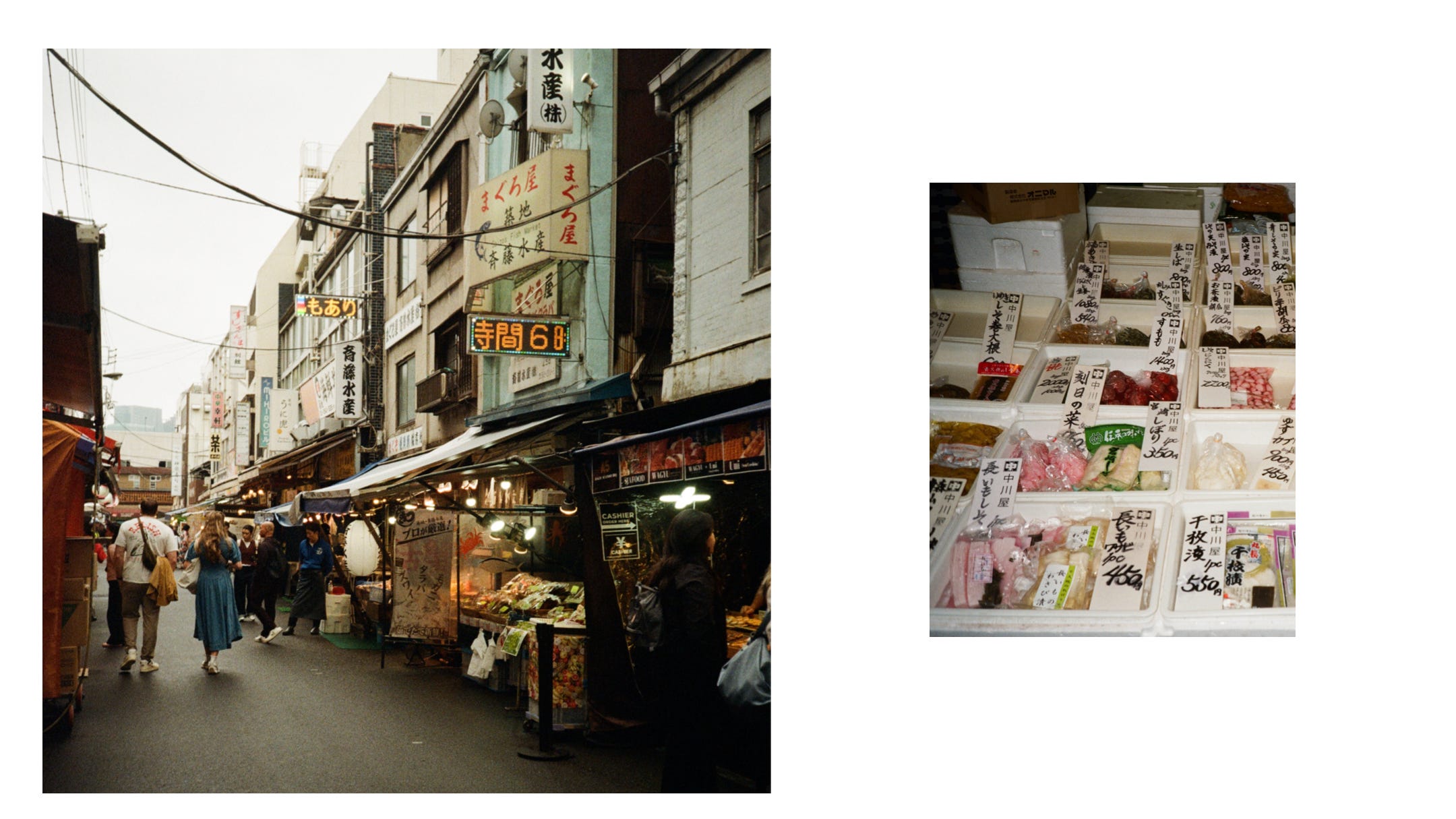
Japan has 243 nationally designated traditional crafts. Whilst I was there Tokyo celebrated the Japanese Tradition Crafts Week, which highlights arts and crafts that have been passed down through generations. Yet, it also shows where crafts are adapting to modern tastes. In collaboration with lifestyle stores, workshops are held around painting ceramics, binding notebooks and metal engraving.
I brought home two beautiful ceramic cups from pejite Aoyama, a shop tucked away in a small side alley.
The Mingei Movement
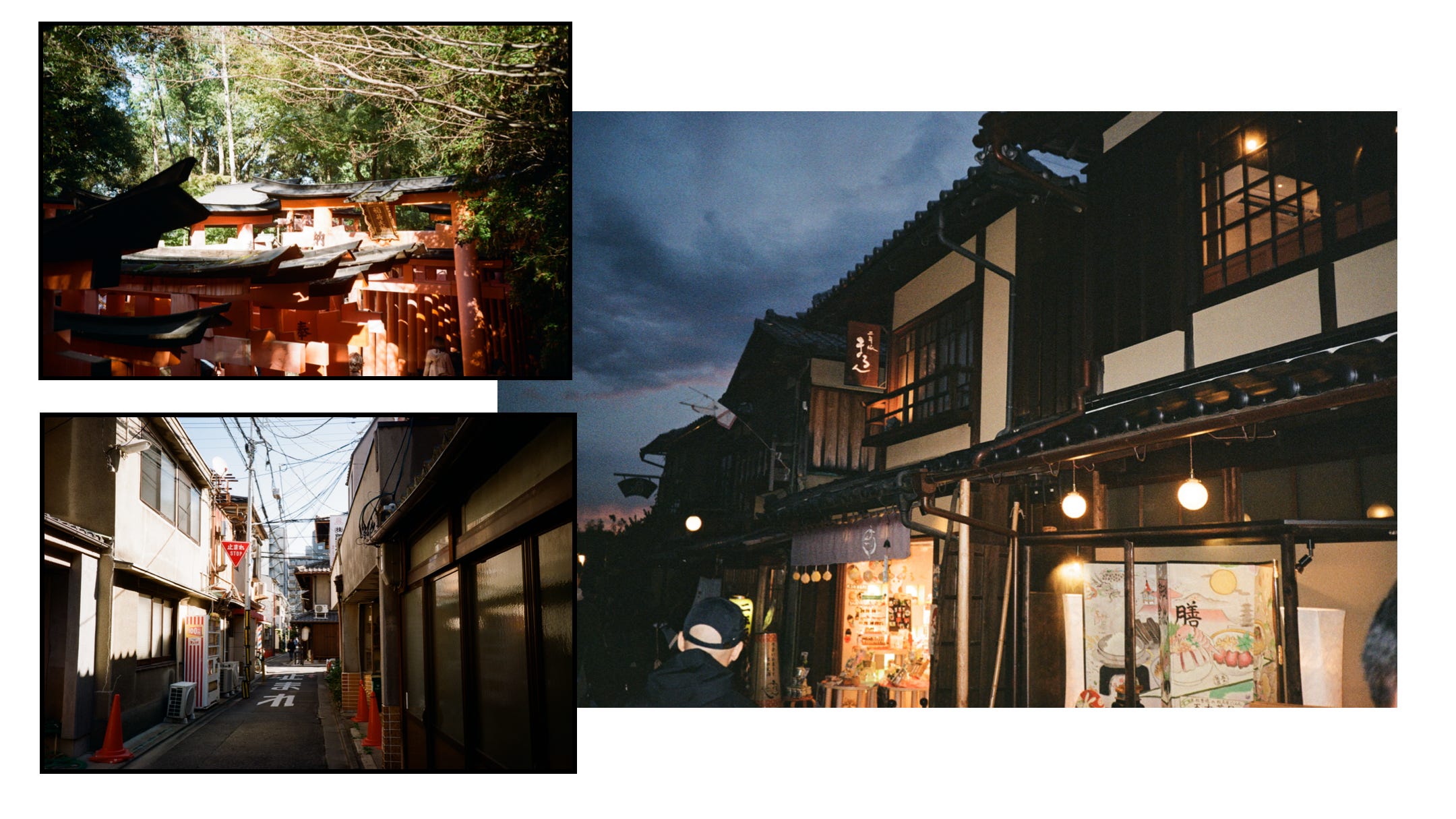
In quite a similar vein, I found myself visiting an exhibition celebrating 100 years of the Mingei movement in Kyoto. Mingei (民芸) translates to “folk art” and was born in the 1920 as a counter-movement to industrialisation and mass production. Mingei focuses on celebrating the beauty of everyday objects made by ordinary craftspeople around Japan. For example, ceramics, textiles and furniture. It was heartening to see how this movement appreciated and highlighted the skills that went into making these beautiful objects as well as fighting for the preservation of the skills that go alongside them.
Not knitting for three weeks
At home picking up my knitting projects whenever I have a few spare minutes is second nature to me. But during this trip I realised soon that I didn’t have the time or headspace to start anything new. Taking a break from my knitting projects gave me an unexpected shift in perspective. I always have a mental list of projects I want to knit next, sometimes I forget to look back and appreciate the things I have already knitted. I brought three hand-knitted pieces with me: the Sophie Scarf, a raglan cardigan and the Cumulus Tee. I got so much wear out of all three pieces: My raglan cardigan kept me warm on the chillier days, the Cumulus Tee was perfect on the sunnier days and the Sophie scarf got me through a cold in Kyoto. With no new project to focus on I found a new sense of affection for the pieces I already have.
Coming back home
On the last day of my trip I went to the yarn stores mentioned above and bought a beautiful hand-dyed skein of yarn for the beanie, and two cones of sock yarn. The sock yarn came with a free English pattern, and now my mother and I each have a small project, which we can knit together.
But most importantly, this trip gave me a new appreciation for my own knitting. Seeing how much esteem Japan has for traditional crafts and skills and how they are celebrates, gave me a new sense of pride for my knitting projects, too.
Thank you for being here. If you enjoyed this article, leave a like or share it with another knitter. It truly means the world to me!
xx, Sophie
Oh I would love to go on a craft/knitting trip to Japan! So inspiring 🤩
Your words about perception are beautiful.
I am in love with the idea of a Japanese Tradition Crafts Week and would happily plan a vacation around that.